
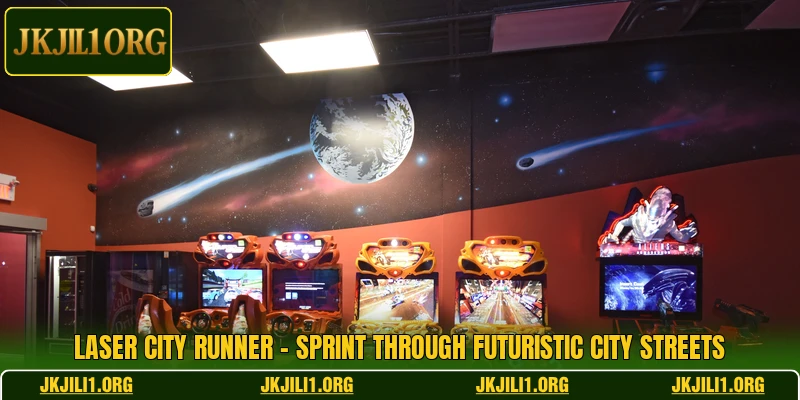
Laser City Runner starts with a bright city route, quick movement, and clear round goals. At JKJILI, this guide is written for members who want plain details before playing, helping players understand pace, controls, rooms, and practical choices.
Practical guide for Laser City Runner players
The game uses a city chase setting where players follow lanes, turns, and timing windows. Each round feels short, so members can read the screen without facing heavy rules. The main idea is simple, because movement matters more than long setup.
Players watch traffic signs, collect route chances, and react before the timer shifts. JKJILI presents the title as a direct option for members seeking fast rounds. Visual cues help players understand what happens during each short stage.
Roads, lights, and moving barriers show when timing becomes more important. The game stays focused on action instead of complex side menus. The PHP or USD display also helps players compare round costs easily.
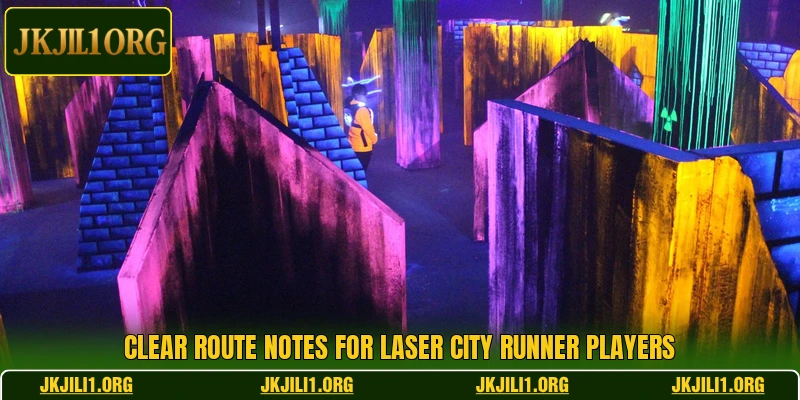
How the race mechanics and controls work
The race flow depends on fast choices, simple direction changes, and steady screen reading. Members should understand these parts before judging any room or round speed.
Starting the city run
A round begins when players choose a stake and confirm the starting route. The screen then loads a compact road with moving signals and lane markers. Laser City Runner uses that quick opening to set the first decision.
Players should look at the center lane before checking side options. Early movement usually shows how fast the route may change later. This first check keeps attention on the road instead of background details.
The opening seconds also help members notice cost levels in PHP or USD. Small stakes allow more trials while players learn each button response. Bigger entries should only follow clear understanding of the round pattern.
Reading lanes and turns
Lane reading is important because barriers can appear with little delay. Players should follow road markers first, then compare nearby movement choices. Laser City Runner rewards careful timing more than random tapping.
Turns usually show through light changes, arrow hints, or road gaps. Members can use those signs to prepare movement before pressure rises. Smooth decisions come from reading signals early, not chasing every object.
Side lanes may look attractive when bonus symbols appear near them. Players still need to check traffic before moving toward any visible item. A missed turn can break the rhythm and reduce the round value.
Using buttons with timing
Button timing should match what the road shows, not sudden guesswork. Players can press early for planned turns or wait during narrow spaces. Laser City Runner feels cleaner when every action follows a visible cue.
Members should avoid rapid repeated pressing when the route becomes crowded. Extra taps can move the runner away from a safer lane. A short pause sometimes gives a clearer view of the next path.
Controls also feel different on desktop and mobile screens. Larger displays may help players see corners sooner during quick turns. Mobile play works well when fingers stay near the main movement keys.
View more: Pixel Void Rush – Retro Arcade Challenges And Fast Action
Laser City Runner course signals
Track signals often decide whether a run feels smooth or messy. Players should treat signs, road lights, and hazard flashes as direct instructions. Laser City Runner uses these signals to guide attention across busy roads.
A green path usually invites faster movement through an open section. Warning colors often mean barriers may appear near the next turn. Members can use this rhythm to choose safer lanes during quick sections.
Signal habits become easier after several low-cost rounds. Players should remember which signs appear before sharp changes or item paths. This simple review helps members react without forcing rushed decisions.

Room choices and preferences habits for members
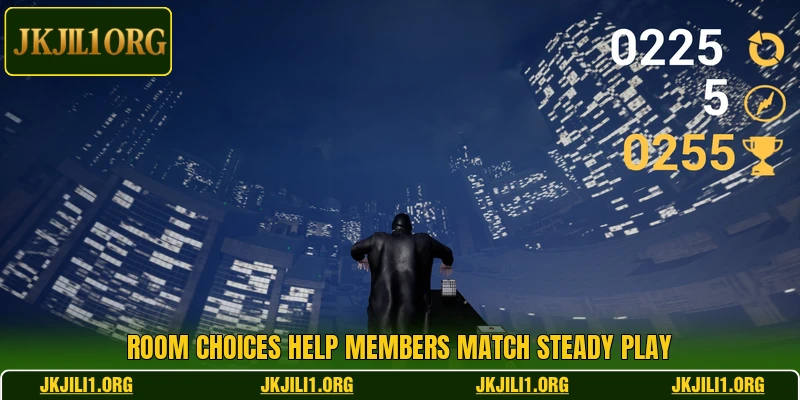
Room selection affects pace, stake size, and how much pressure players feel during rounds. Members should match room speed with current focus before entering any session.
Choosing suitable stake rooms
Stake rooms usually show minimum and maximum entry amounts in PHP or USD. Players should read those figures before starting because each round uses real balance. Laser City Runner works better when room cost matches the planned session.
Low rooms are useful when members still learn controls and route signs. These spaces allow more attempts without making every mistake feel expensive. Players can test movement patterns while staying comfortable with each entry.
Higher rooms may feel faster because stakes raise attention during every choice. Members should enter them only after understanding signals and button timing. The goal is steady reading, not chasing a sudden large outcome.
Noticing key speed differences
Some rooms may feel quicker because obstacles appear closer together. Players should compare early seconds before deciding whether the pace suits them. Laser City Runner can feel different when room speed changes screen pressure.
A slower pace gives members more time to read turns and lanes. This setting may help new players build confidence with basic controls. Faster play suits those who already understand traffic signals and movement timing.
Speed also affects how players notice item routes during each stage. Quick rooms can make side rewards harder to reach safely. Members should place clear road reading above every tempting symbol.
Playing with simple focus
Simple focus means watching the road first and extras second. Players should avoid opening other screens while a round is active. Laser City Runner needs attention because short delays can change the route.
Members can review previous rounds by remembering missed turns or late presses. This habit helps improve choices without using complicated systems or claims. Clear observation is enough for learning how each stage behaves.
Players should also choose times when the screen is easy to see. Bright rooms, stable internet, and enough battery support smoother sessions. Good setup makes controls feel more reliable during quick movement.
View more Category: Arcade
Conclusion
Laser City Runner gives players a direct city chase format with quick routes and readable signals. Members can use JKJILI to access the title while checking rooms, stakes, and screen pace. Download the app, register an account, start the game, and good luck on each run.